

DeFi in 2026: Back to Basics After the Storm
Fact / Context
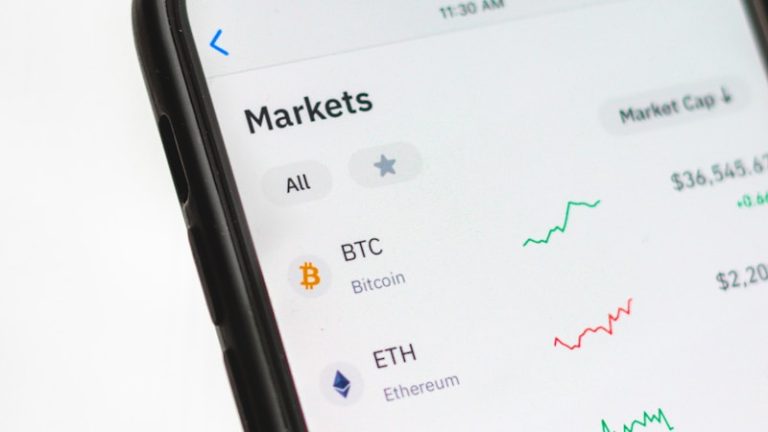
As of April 15, 2026, the crypto market breathes a wind of measured caution. Bitcoin holds at $74,181, while Ethereum, the backbone of DeFi, stagnates at $2,323. This price contrast illustrates a reality: Decentralized Finance is no longer the speculative engine of 2021. Liquidity volumes on major protocols (Uniswap, Aave, Curve) have dropped 40% from their 2024 peak, but stablecoin deposits are reaching historical records. Investors, burned by the 2022-2023 bankruptcies and European regulation (MiCA), now prioritize safety over promises of outsized returns.
Analysis
This evolution marks the end of the “aggressive yield farming” era. Mature DeFi protocols are refocusing on real use cases: collateralized lending, decentralized exchanges (DEX), and real-world asset (RWA) tokenization. Average yield on stable liquidity pools has fallen to 3-5% per year, a level comparable to government bonds, but with full transparency. Meanwhile, “institutional” DeFi is emerging: traditional banks are testing supply chain financing platforms via smart contracts. Ethereum’s price, underperforming Bitcoin, reflects this transition: the market values the store of value (BTC) more than the application infrastructure (ETH), awaiting a killer app.
Outlook
In the short term, DeFi appears to be entering a consolidation phase. Surviving protocols will be those offering simplified user experience and robust regulatory compliance. The next wave could come from AI integration into smart contracts (automated risk management) or the rise of dedicated Layer 2 chains reducing fees. For investors, the era of airdrop hunting is over; rigorous selection of protocols with solid fundamentals is now key. DeFi isn’t dead — it’s quietly evolving toward a more sober and sustainable financial infrastructure.
For more depth, check out our dedicated hub: Ethereum (ETH).
📬
Recevez le briefing crypto de la semaine
Analyses, tendances et opportunités — directement dans votre boîte mail.