

DeFi Comes of Age: Between Resilience and Regulation
Fact/Context
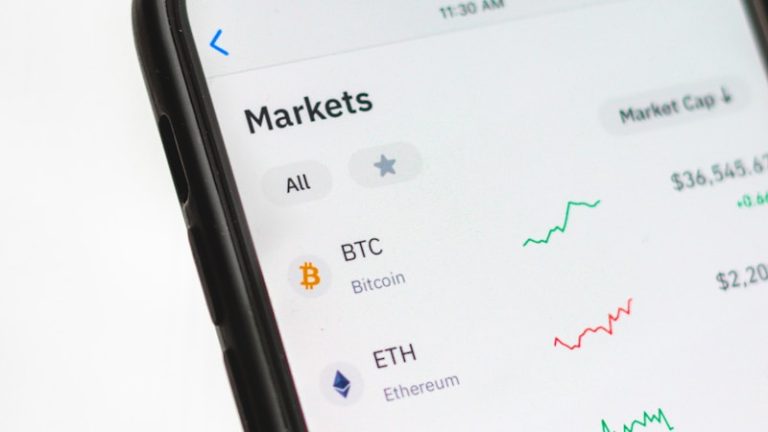
As of January 15, 2026, Decentralized Finance (DeFi) is no longer a mere promise. While Bitcoin stabilizes around $97,008 and Ethereum at $3,356, DeFi protocols show Total Value Locked (TVL) up 15% quarter-over-quarter. Giants like Aave, Uniswap, and MakerDAO have consolidated their dominance, but innovation is shifting toward layer-2 solutions and EVM-compatible chains. The drop in gas fees on Ethereum, driven by massive rollup adoption, has revived activity among smaller investors.
Analysis
This period marks a turning point: DeFi is no longer the Wild West. Protocols now integrate automated compliance mechanisms (KYC/AML via reputation oracles) to attract institutional players. Yields, while less spectacular than in 2021 (averaging 4-8% on stablecoins), are considered more sustainable. Meanwhile, bridge attacks and smart contract exploits have decreased by 40% thanks to enhanced audits and on-chain insurance. However, cross-chain fragmentation remains a challenge: interoperability via protocols like LayerZero or Chainlink CCIP has become a key issue.
Outlook
In the short term, DeFi should benefit from an influx of institutional liquidity, particularly through spot Ethereum ETFs and tokenized sovereign debt products. But regulatory pressure is mounting: the EU is finalizing its MiCA framework for DApps, and the US is discussing a stablecoin bill. Protocols that can balance decentralization and compliance will survive. For investors, caution remains warranted: favor established platforms and diversify across multiple chains. DeFi is no longer a revolution — it is a financial infrastructure under construction.
📬
Recevez le briefing crypto de la semaine
Analyses, tendances et opportunités — directement dans votre boîte mail.