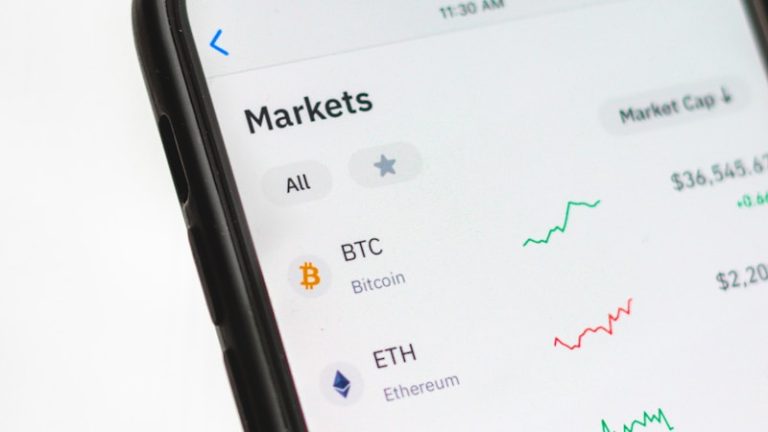
Since its creation, BTC has been hailed as “digital gold” – a store of value designed to protect investors from inflation. But in 2026, as inflation recedes while remaining persistent, is this thesis still true? An in-depth analysis.
A real-world test
The year 2026 constituted a unique macroeconomic laboratory to put the digital gold theory to the test. With US inflation oscillating between 2.8% and 3.4% – significantly higher than the Fed’s 2% target – and interest rates maintained between 3.50% and 3.75%, BTC faced conditions its creators likely did not anticipate.
The result was mixed. Over the past 12 months, BTC has shown a correlation of 0.68 with the Nasdaq 100, but only 0.12 with physical gold. These figures suggest that BTC behaves more like a high-growth technology asset than a safe haven.
Fading correlation, emerging trend
However, a recent trend deserves attention. Since the collapse of Silvergate Bank and the regional banking crisis of 2025-2026, the correlation between BTC and gold has moved from -0.15 to 0.42. This indicates that investors are beginning to view BTC as an alternative asset to traditional banking systems.
“The digital gold narrative is not built in a single cycle, but over several decades,” explains Robert Kiyosaki, author of “Rich Dad Poor Dad.”
Related Articles
- EU Unveils MiCA 2, Expanding Crypto Regulatory Scope to Target DeFi and Stablecoins
- Bitcoin ETFs Face Historic $6.4 Billion Outflows in 30 Days
- Franklin Templeton Files for “Bitcoin DRIP” ETFs, Converting Stock Dividends to BTC
In-Depth Analysis
- Strategy Under Pressure: Analyst Kaleo Warns 50,000 BTC Could Be Sold by 2028
- DeFi Slump Continues as Franklin Templeton Proposes Dividend-Backed Bitcoin ETFs
📬
Get the weekly crypto briefing
Analysis, trends and opportunities — straight to your inbox.
Analyse détaillée réservée aux membres
Notre équipe d'analystes a préparé une analyse complète avec données exclusives.
🔒 Paiement sécurisé • Stripe • Sans engagement
Déjà abonné ? Connectez-vous