DeFi in 2026: Maturation Amidst New Regulatory Challenges
Fact / Context
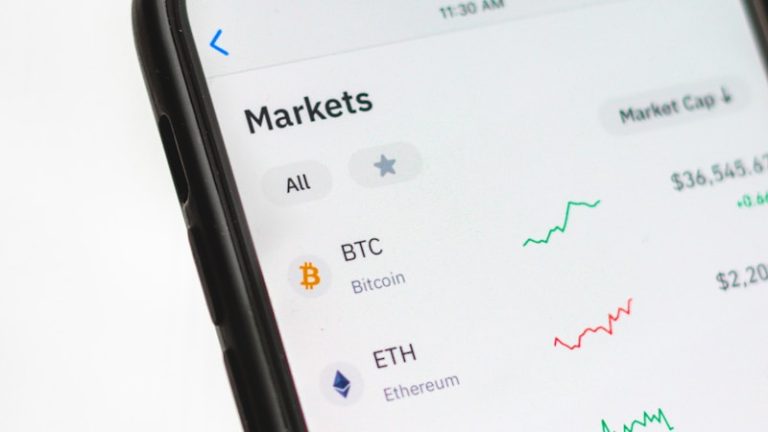
As of May 15, 2026, the cryptocurrency market shows relative stability, with Bitcoin at $81,052 and Ethereum at $2,282. This calm, following the turbulence of 2025, particularly benefits Decentralized Finance (DeFi). Lending, exchange, and yield farming protocols are recording a TVL (total value locked) increase of 15% over the quarter, driven by the integration of layer-2 solutions and more seamless cross-chain bridges. Ethereum, despite a modest price, remains the foundation of the ecosystem, while blockchains like Solana or Base are gaining market share.
Analysis
The DeFi of 2026 is no longer the one of “astronomical yields” from 2021. More savvy investors are favoring audited protocols and liquid staking (LSD) or restaking strategies. Algorithmic stablecoins, once risky, have given way to assets backed by tokenized reserves of government bonds (like BlackRock’s BUIDL). At the same time, regulation is intensifying: the European Union is imposing licensing requirements for protocols operating under MiCA, and the United States is clarifying the status of “smart contracts” as legal entities. This pressure is pushing developers to integrate compliance mechanisms (optional KYC, transaction limits) without sacrificing decentralization.
Perspective
In the short term, DeFi should benefit from the arrival of spot Ethereum ETFs (if approved) and adoption by traditional financial institutions. Tokenized “Real World Assets” (RWA) – bonds, real estate, credit – could represent 30% of TVL by the end of 2026. However, risks persist: oracle vulnerabilities, concentration of liquidity on a few protocols, and regulatory fragmentation. For investors, caution remains key: diversify between established protocols (Aave, Uniswap) and new audited entrants, while monitoring central bank decisions on interest rates, which directly influence DeFi yields. In short, DeFi is no longer a laboratory experiment, but a pillar of the emerging financial system.
Related Articles
- The Great Decoupling: BTC at $60,922, ETH at $1,581 — The Moment of Truth, Analysis of June 6, 2026
- The Great Decoupling: BTC at $63,255, ETH at $1,687 – The Crypto Market
In-Depth Analysis
- BTC and ETH Face the Liquidity Wall: The Great Decoupling Explained
- The Great Decoupling: BTC at $63,796, ETH at $1,769 — The Market in Crisis? Analysis of June 5, 2026
Historical Context
- Consolidation Sets In: BTC and ETH in Pause Mode, the Market Holds
- Fear and Greed Index at 7/100: The Crypto Market in a State of “Extreme Fear”
Similar Opportunities
- Bitcoin at 66K: Extreme Fear Recedes — 3 Reasons to Believe in the Rebound
- CLARITY Act: The Historic Bill That Could Change Everything for Crypto in the United States
📬
Get the weekly crypto briefing
Analysis, trends and opportunities — straight to your inbox.