

🎁 OFFERED – Saturday Premium Analysis
This in-depth analysis is normally reserved for our Premium subscribers, but every Saturday, we offer it free to all our readers. Enjoy!
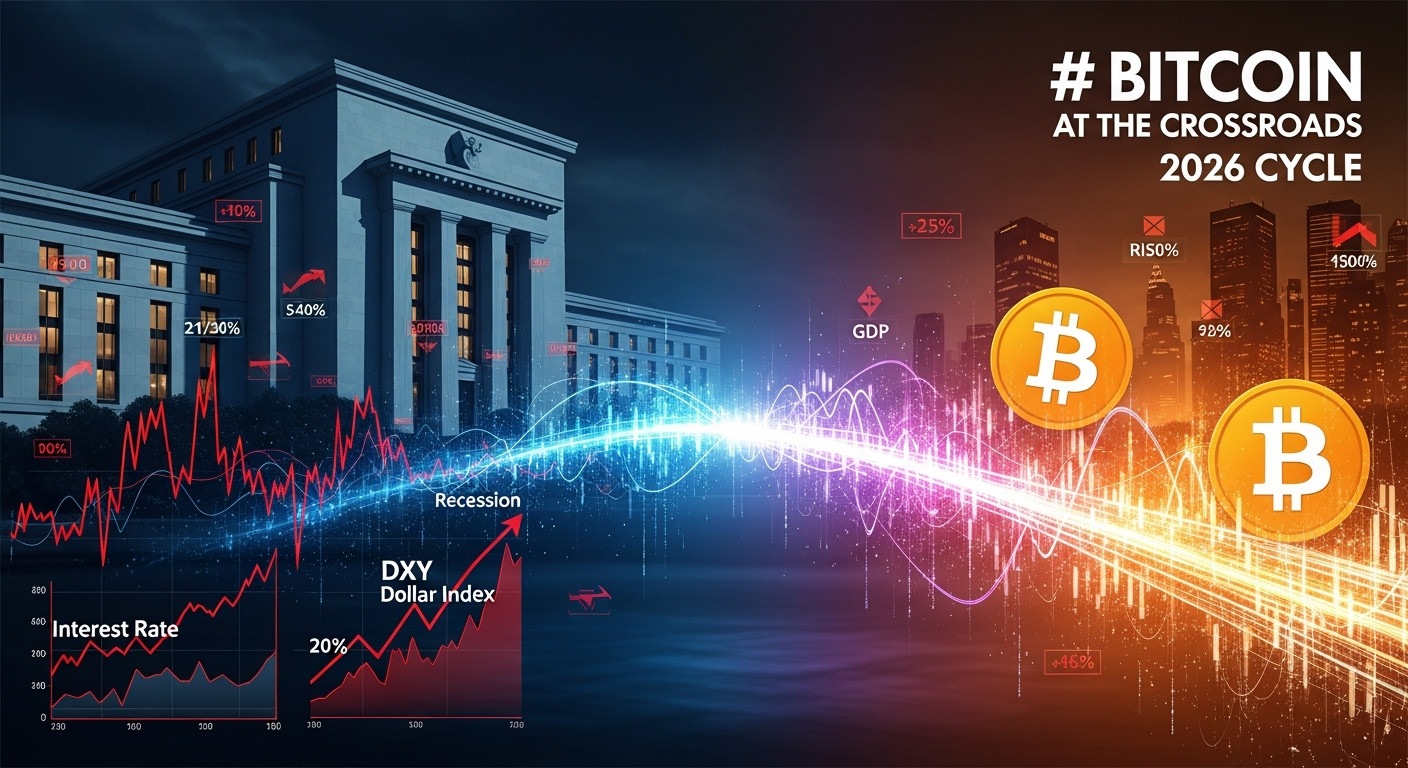
Bitcoin enters summer 2026 in a delicate position. After hitting all-time highs earlier this year, the world’s largest cryptocurrency is wavering under the weight of macroeconomic uncertainties, miner pressures, and a rotation of capital toward artificial intelligence. This exclusive analysis deciphers the forces at play through three complementary lenses: the macroeconomic context, on-chain data, and technical indicators. For further reading: Bitcoin in extreme fear zone: Fear & Greed Index drops to 20.
1. Macroeconomic Context: The Dollar and Interest Rates at the Heart of the Game
1.1 The Dollar Index (DXY) on the Verge of Breaking Out
The Dollar Index (DXY), which measures the strength of the US dollar against a basket of major currencies, is technically on the verge of a major bullish breakout. A rising DXY is historically negative for Bitcoin and risk assets. The inverse correlation between BTC and the DXY is one of the most reliable relationships in crypto markets, with a correlation coefficient of -0.75 over the past 12 months.
If the DXY were to break its current resistance, it could trigger a new wave of selling pressure on BTC, potentially down to the $55,000-$57,000 zone. Conversely, a dollar pullback would be a powerful bullish catalyst. Full analysis: Strategy strengthens its dominance: 520 additional BTC purchased.
1.2 Federal Reserve Monetary Policy
The US Federal Reserve maintains high interest rates, which continues to weigh on speculative assets. Investors can obtain attractive yields (5% and above) on risk-free assets like US Treasury bonds, thereby reducing the appeal of cryptocurrencies.
Markets now anticipate a first rate cut in the fourth quarter of 2026, but inflation data remains sticky, constantly pushing back the timeline. Each delay in rate cuts is a blow to Bitcoin.
1.3 Capital Rotation Toward AI
A major macroeconomic trend is emerging: the “great rotation” of investors abandoning traditional tech stocks and cryptocurrencies to position themselves in AI bottlenecks (semiconductors, memory, GPU cloud).
This rotation is fueled by massive capital expenditures in AI, which could reach $500 billion by 2028 according to some estimates. Investors prefer to follow real capital flows into AI rather than bet on a crypto rebound. Bitcoin thus finds itself in direct competition with AI for speculative capital.
2. On-Chain Analysis: What the Data Says
2.1 Miner Pressure Reaches Critical Levels
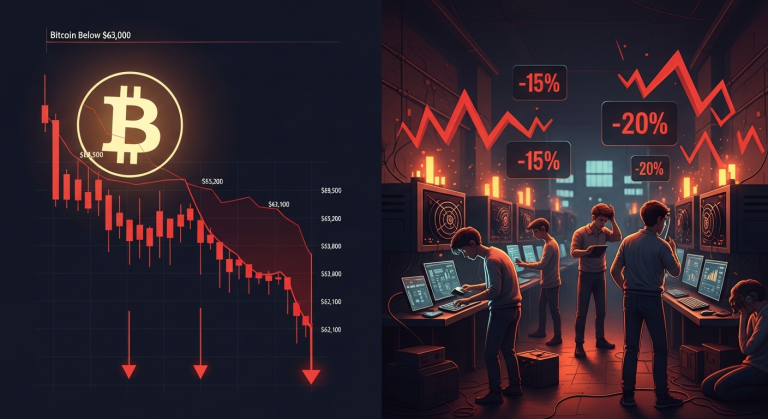
On-chain data from June 2026 reveals a concerning situation on the miners’ side. With Bitcoin trading below its average production cost (estimated between $55,000 and $65,000) for five consecutive months, approximately 20% of miners are now unprofitable.
Publicly listed miners sold more than 32,000 BTC in the first quarter of 2026, a volume exceeding their cumulative sales for all of 2025. This massive selling pressure is visible in the Miner-to-Exchange Flow metric, which shows significant transfers
📬
Get the weekly crypto briefing
Analysis, trends and opportunities — straight to your inbox.