Altcoin Market Splits: Legacy Blue Chips Lag as AI and DePIN Tokens Surge

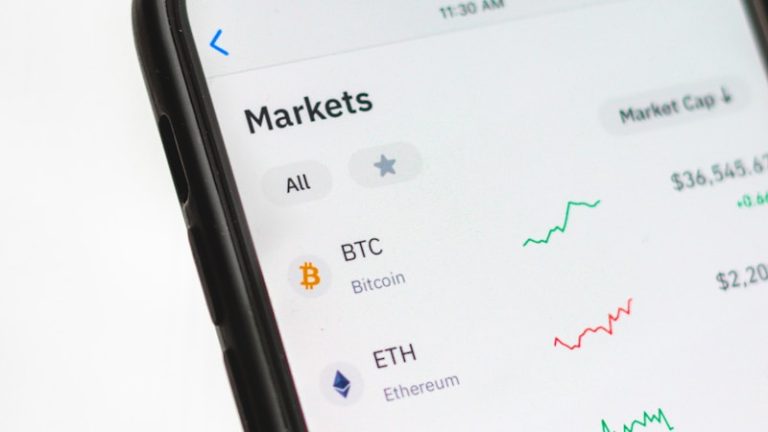
As Bitcoin (BTC) trades around $71,217 on March 15, 2026, the altcoin market is experiencing an unprecedented phase of polarization. Ethereum (ETH), sitting at $2,097, is struggling to keep pace with the leading cryptocurrency, posting a disappointing relative performance over the past twelve months. This decoupling illustrates a broader phenomenon: capital rotation toward specific sectors at the expense of historical blue chips. Analysis Altcoin performance is no longer homogeneous. On one side, tokens linked to artificial intelligence (AI) and DePIN (decentralized physical infrastructure networks) continue to attract capital inflows, fueled by the rise of autonomous agents and data tokenization. On the other, first-generation decentralized finance (DeFi) projects like Uniswap and Aave are stagnating in the wake of a sluggish ETH. The ETH/BTC ratio, which has fallen below 0.03, confirms that investors are favoring either the relative safety of Bitcoin or more speculative bets on highly volatile altcoins. This dichotomy is driven by a still-uncertain macroeconomic backdrop: interest rates remain elevated, penalizing high-risk assets, yet technological narratives (AI, RWA tokenization) are creating pockets of demand. Narrative-driven altcoins are thus capturing a disproportionate share of trading volumes, while projects lacking major updates or clear utility are seeing their market caps shrink. Outlook In the short term, altcoin performance will hinge on two factors: ETH’s ability to reclaim the $2,500 threshold to restore confidence, and the emergence of a new macro catalyst (rate cuts, regulatory adoption). Without these, the market will remain fragmented. Investors should prioritize altcoins backed by concrete use cases and sufficient liquidity.