Escalation of Middle East Tensions: Bitcoin Establishes Itself as a Safe Haven Amid Geopolitical Uncertainty
As geopolitical tensions escalate in the Middle East, Bitcoin is confirming its status as a safe-haven asset among international investors. The past week has been marked by a resurgence of diplomatic friction in the region, causing turbulence in traditional markets and a significant influx of capital into cryptocurrencies.
The current geopolitical climate is reminiscent in many ways of previous episodes during which Bitcoin demonstrated its resilience. In times of uncertainty, investors seek assets that are uncorrelated with traditional financial systems, and Bitcoin meets this growing demand. Its decentralized nature, limited supply of 21 million units, and independence from central banks make it a natural candidate for those looking to diversify holdings away from systemic risks.
An Explosive Regional Context
The last 72 hours have seen a significant escalation in tensions between several regional powers. Oil markets reacted immediately, with Brent crude surging over 5% during Monday’s session before partially stabilizing. Meanwhile, Asian and European stock indices lost ground as investors adopted a risk-off posture.
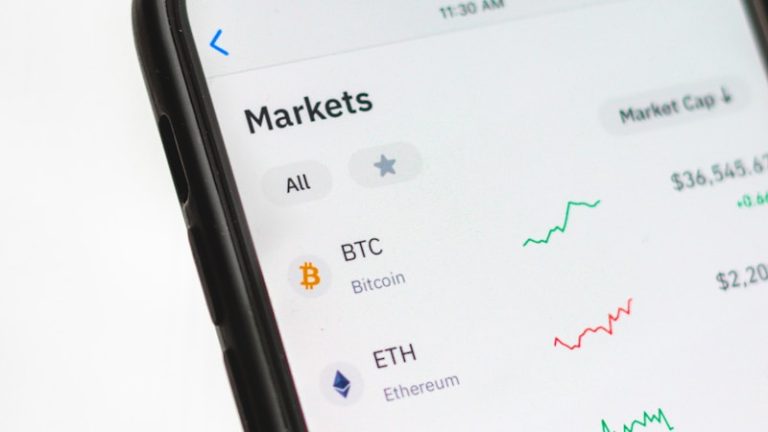
This uncertainty directly benefits Bitcoin, whose price has risen nearly 8% since the start of the week, climbing from $72,400 to over $78,200 at the time of writing. The total cryptocurrency market capitalization has also jumped, surpassing $2.8 trillion, fueled by this new wave of institutional interest.
“The narrative around Bitcoin has evolved dramatically,” explains a digital asset analyst interviewed by DailyCryptoNews. “In 2022, Bitcoin was still described as a risky asset correlated to the Nasdaq. Today in 2026, we are seeing growing decoupling from traditional stock markets every time a major geopolitical shock occurs. The story has changed: Bitcoin is becoming a genuine hedging instrument.”
Institutional Flows Confirm the Trend
On-chain data reflects this enthusiasm. Cumulative net flows into U.S. spot Bitcoin ETFs reached $420 million over the last three trading days, the strongest weekly increase since February 2026. BlackRock and Fidelity, the two largest Bitcoin ETF issuers, recorded net subscriptions that were record highs for a traditionally quiet July.
Trading volumes on centralized exchanges have also risen significantly. Binance, Coinbase, and Kraken report a combined spot volume increase of 35% compared to the previous month’s average. Asia-based exchanges such as Bybit and OKX are seeing an even sharper rise, reflecting the concern of regional investors over the potential spread of the conflict.
On the side of wallets holding at least 1,000 BTC — commonly referred to as “whales” — the trend is also bullish. According to data from Glassnode, the number of such addresses has increased by 3.2% over the past two weeks, indicating discreet but steady accumulation by large investors.
Comparison with Previous Crises
This is not the first time Bitcoin has benefited from a tense geopolitical backdrop. In February 2022, during Russia’s invasion of Ukraine, Bitcoin quickly rebounded after an initial drop, surging nearly 20% in two weeks. Similarly, in October 2023, when tensions flared again in the Middle East, Bitcoin rose from $27,000 to $35,000 within a few weeks.
However, the 2026 context differs in several respects. First, the cryptocurrency market is far more mature. With spot ETFs approved and hundreds of billions of dollars in institutional capital, Bitcoin now benefits from a market infrastructure that did not exist during previous crises. Second, recognition of Bitcoin as a store of value by sovereign states — El Salvador, as well as several Asian and African countries — gives it new legitimacy.
Third, persistent inflation in several developed economies strengthens Bitcoin’s appeal as an alternative to fiat currencies. With inflation rates struggling to fall below 3% in the United States and Europe, the “Bitcoin as digital gold” narrative is gaining ground among an increasingly broad audience.
The Limits of the “Safe Haven” Narrative
However, this narrative must be tempered. While Bitcoin shows encouraging signs of decoupling, its volatility remains much higher than that of traditional gold, which remains the quintessential safe haven in times of crisis. Gold also rose this week, reaching a new all-time...
Analyse détaillée réservée aux membres
Notre équipe d'analystes a préparé une analyse complète avec données exclusives.
🔒 Paiement sécurisé • Stripe • Sans engagement
Déjà abonné ? Connectez-vous