DeFi in 2026: Between Maturity and New Regulatory Challenges
Fact/Context
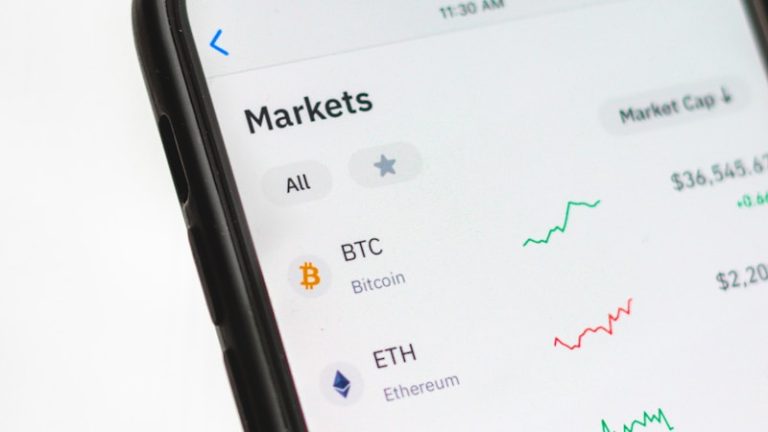
As of March 15, 2026, the Decentralized Finance (DeFi) market shows notable resilience, supported by Bitcoin at $71,217 and Ethereum at $2,097. These levels, though far from all-time highs, reflect stabilization after the turbulence of 2022-2023. DeFi protocols like Aave, Uniswap, and MakerDAO now manage hundreds of billions of dollars in total value locked (TVL), a sign of renewed confidence. However, innovation comes with increased regulatory pressure, particularly in Europe and the United States, where authorities seek to regulate decentralized lending and algorithmic stablecoins.
Analysis
DeFi has evolved: the “exorbitant” yields of the 2020s have given way to more sober products backed by real-world assets (RWAs) such as tokenized government bonds. Protocols now incorporate enhanced security mechanisms (on-chain insurance, multiple audits) to attract institutional players. Yet, Ethereum’s volatility ($2,097) hinders mass adoption — gas fees remain a barrier for small users, despite progress on Layer 2 solutions (Arbitrum, Optimism). Meanwhile, competition from low-cost blockchains (Solana, Avalanche) pushes Ethereum to accelerate its upgrades.
Outlook
In the near term, DeFi should continue growing, but under scrutiny. Regulators may impose licenses on protocols, which could centralize certain services. Conversely, the rise of decentralized identities (DIDs) and secure oracles could pave the way for more inclusive finance. For investors, caution remains warranted: “safe” yields (staking, lending) offer 4-8% annually — far from past promises, but more sustainable. In 2026, DeFi is no longer a revolution, but infrastructure under construction, caught between innovation and compliance.
Related Articles
- Le Grand Decouplage : BTC a 60 922 $, ETH a 1 581 $ – L’heure de verite
- Bitcoin a 66K : la peur extreme reflue – 3 raisons de croire au rebond
In-Depth Analysis
- Bitcoin at 66K: extreme fear recedes — 3 reasons to believe in the rebound
- The Great Decoupling: BTC at $60,922, ETH at $1,581 — The Moment of Truth, Analysis of June 6, 2026
Historical Context
- The Slide Continues: Bitcoin and Ether Bend Under Uncertainty
- Fear & Greed Index at 7/100: Crypto Market in “Extreme Fear” Territory
Similar Opportunities
- Consolidation Sets In: BTC and ETH in Pause Mode, the Market Holds Its Breath
- Bitcoin Crashes Below $64K as Kevin Warsh’s Hawkish Fed Halts Crypto Rally
📬
Get the weekly crypto briefing
Analysis, trends and opportunities — straight to your inbox.