DeFi in 2026: Between Maturity and New Regulatory Challenges
Fact/Context
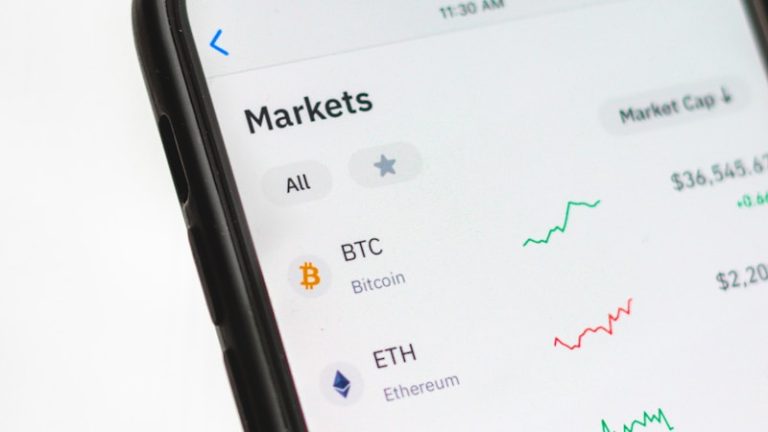
As of February 15, 2026, the Decentralized Finance (DeFi) market shows notable resilience despite an uncertain macroeconomic context. Bitcoin ($69,766) and Ethereum ($2,086) remain stable, but it is DeFi protocols that are capturing attention. Total value locked (TVL) in smart contracts exceeds $120 billion, a level comparable to 2024. Yet liquidity pool yields have dropped: average annualized rates range between 3% and 8%, compared to 10-20% two years ago. The race for aggressive yield farming appears to be over.
Analysis
This decline in yields is explained by the sector’s maturation. Protocols like Aave, Uniswap, and Compound have optimized their mechanisms, reducing risks of impermanent loss and bugs. The arrival of tokenized real-world assets (RWAs) — government bonds, carbon credits — has attracted institutional investors, but also diluted rewards. Meanwhile, European (MiCA) and American (SEC) regulators are intensifying pressure: several DeFi platforms must now integrate KYC/AML checks for users exceeding certain thresholds. An evolution that divides the community between pragmatists and purists.
Outlook
In the short term, DeFi should continue to “bankify.” Cross-chain bridges (LayerZero, Chainlink CCIP) are becoming more reliable, enabling unified liquidity. But the real test will be mainstream adoption: interfaces remain complex for the uninitiated. While Ethereum remains the foundation (with improved scalability via rollups), competitors like Solana and Avalanche are gaining ground on low-cost applications. Finally, the emergence of DePIN (decentralized physical infrastructure networks) could create a new wave of yields tied to real assets like storage or connectivity. DeFi is no longer a promise, but a sector that must prove its sustainability in the face of regulation and competition from traditional markets.
Related Articles
- Le Grand Decouplage : BTC a 60 922 $, ETH a 1 581 $ – L’heure de verite
- Bitcoin a 66K : la peur extreme reflue – 3 raisons de croire au rebond
In-Depth Analysis
- Bitcoin at 66K: extreme fear recedes — 3 reasons to believe in the rebound
- The Great Decoupling: BTC at $60,922, ETH at $1,581 — The Moment of Truth, Analysis of June 6, 2026
Historical Context
- The Slide Continues: Bitcoin and Ether Bend Under Uncertainty
- Fear & Greed Index at 7/100: Crypto Market in “Extreme Fear” Territory
Similar Opportunities
- Consolidation Sets In: BTC and ETH in Pause Mode, the Market Holds Its Breath
- Bitcoin Crashes Below $64K as Kevin Warsh’s Hawkish Fed Halts Crypto Rally
📬
Get the weekly crypto briefing
Analysis, trends and opportunities — straight to your inbox.